Customized Pest Control Services in Sussex County for Every Home
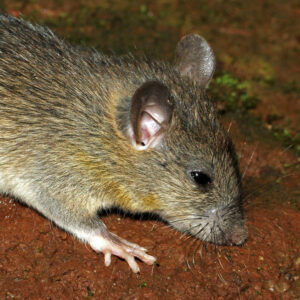
A house in Sussex County can sit on a wooded lot, back up to marshland, face open farmland, or stand on a compact neighborhood parcel with little separation from the next roofline. That matters more than many homeowners realize. Pest pressure changes dramatically from one street to the next, sometimes from one side of a property to the other. The ant problem that starts in a dry crawl space in one home can look nothing like the moisture-driven roach activity in another, even if both owners live within a few miles of each other.
That is why effective pest work is rarely about applying the same treatment to every address. Good service begins with reading the property correctly, understanding local conditions, and matching the plan to the structure, the season, and the people living there. When people search for Pest Control Services Sussex County, what they often need is not simply a technician with a spray rig. They need someone who can tell the difference between a recurring nuisance and an emerging infestation, and then build a response that fits the home instead of forcing the home to fit a standard package.
Why one-size-fits-all pest control falls short
Standardized pest programs sound efficient, and on paper they are. A company can schedule quick visits, use the same materials at most stops, and present a neat monthly or quarterly plan. The problem is that pests do not organize themselves around a service menu.
Take two common Sussex County Pest Control Services Sussex County scenarios. One homeowner has a newer home with tight construction, vinyl siding, and a slab foundation. Another has an older property with a partial basement, fieldstone foundation, and a utility room that never fully dries out after heavy rain. Both can report “bugs in the house,” but the pathways, pressure points, and likely species are different. If both homes receive the exact same treatment, one may improve while the other continues to struggle.
Customization matters because pest activity is shaped by a mix of practical variables: foundation type, grading, nearby water, attic ventilation, pet food storage, firewood placement, landscaping density, and even how often a side door gets used. A technician with field experience learns quickly that successful control often comes from addressing the combination of factors, not merely the visible insect or rodent.
There is also the question of tolerance. A family with a toddler crawling on the floor has different concerns than a retired couple using only part of the house during the winter. A homeowner running a home bakery or caring for someone with respiratory sensitivities may want stricter limits on interior treatment methods. True customization accounts for both pest biology and household priorities.
Sussex County homes create distinct pest patterns
Local geography has a lot to do with what shows up indoors. In Sussex County, homes near wetlands or low-lying areas often deal with heavier mosquito pressure and moisture-loving invaders. Properties near tree lines can see more carpenter ants, spiders, and occasional wildlife issues. Houses surrounded by open ground, especially agricultural land, may notice seasonal rodent movement during cooler months as field populations seek warmth and food.
Construction style plays an equally large role. Crawl spaces are notorious for hidden entry points, moisture accumulation, and insulation disturbance. Finished basements can conceal activity behind walls until droppings, odors, or staining become obvious. Older homes often have charm and quirks in equal measure, including settled foundations, aging weather seals, and utility penetrations that were never fully closed after upgrades.
Even newer homes are not automatically protected. Tight construction can keep conditioned air in, but it also means that when pests find a route inside, they may settle quickly around stable temperatures and reliable moisture sources. I have seen spotless new kitchens attract odorous house ants because a dishwasher connection leaked slowly beneath the cabinets for weeks without anyone noticing. Cleanliness helps, but it does not solve structural vulnerability.
What a customized service plan should include
A proper pest program starts before any treatment is applied. Inspection is not a formality. It is the core of the job. The best technicians spend time where homeowners often do not: behind stored items in the garage, around sill plates, under sinks, at attic access points, along exterior transitions, and around HVAC and plumbing penetrations. They look for live activity, but also for evidence, conditions, and patterns.
The difference between a useful inspection and a rushed one is often obvious in the recommendations. A rushed visit produces generic advice like “keep things clean” or “watch for more activity.” A careful visit identifies where ants are trailing, why silverfish are thriving, which side of the home mice are using, and whether the issue is isolated or widespread.
A customized service plan usually considers five core elements:
- The pest species involved, because control for pavement ants is not the same as control for carpenter ants or pharaoh ants.
- The building conditions that support the problem, such as excess moisture, gaps at penetrations, wood-to-soil contact, or cluttered storage zones.
- The time of year, since spring swarmers, summer stingers, and fall rodent movement each call for different timing and tactics.
- The household’s needs, including children, pets, work-from-home routines, and preference for interior versus exterior treatment emphasis.
- The follow-up schedule, because some issues respond in a single service while others need staged visits and monitoring.
That last point matters. Not every infestation is solved in one appointment, and promising that it will be is often a sign of salesmanship rather than experience. German cockroach work in a multifamily setting, for example, may require coordinated sanitation improvements, crack-and-crevice treatment, bait rotation, and repeated inspections. The honest plan is usually the better plan.
Seasonal pressure changes the right strategy
Pest control in Sussex County is not static across the year. Spring often brings ant activity, termite swarms, and the first strong push from overwintering insects becoming active again. Summer raises the stakes with mosquitoes, stinging insects, and flies, especially around outdoor living areas, trash zones, and standing water. By late summer and early fall, many homeowners start to notice wasps around eaves and rodents testing entry points before temperatures drop. Winter does not eliminate pest problems. It simply shifts them indoors, where mice, rats, cockroaches, and occasional invaders benefit from warmth and shelter.
A customized service plan respects those rhythms. A spring exterior barrier may help reduce warm-weather invaders, but it will not replace rodent exclusion before November. Likewise, mosquito reduction around a backyard is not just a matter of fogging once before a party. Lasting improvement usually requires habitat reduction, gutter attention, drainage awareness, and repeated service during peak season.
One of the most common frustrations homeowners express is, “We treated this already, so why is it back?” Often the answer is that the treatment addressed the symptom at one moment in the calendar but not the source of pressure over time. Good Pest Control Services Sussex County providers explain that timing is part of the remedy.
Ants, rodents, termites, and other frequent concerns
Ants are among the most misunderstood household pests because they are easy to dismiss early. A few workers at a windowsill can look minor, yet the colony may be established under a slab, inside wall voids, or beneath landscape features close to the house. The right response depends on the species. Large black ants near moist wood can point toward carpenter ant activity, which deserves prompt attention. Tiny sugar-seeking ants in the kitchen often respond best to a combination of baiting and correcting entry routes. Spraying visible trails without a broader plan can scatter colonies and prolong the problem.
Rodents demand a different level of discipline. Mice can enter through surprisingly small gaps, often around utility lines, garage corners, door sweeps, and foundation transitions. What makes mouse control difficult is not trapping alone. It is the integration of trapping, exclusion, sanitation, and monitoring. Many homeowners are surprised to learn that one overlooked gap behind stored bins in a garage can keep a mouse issue alive for months.
Termites require even more precision. Sussex County has conditions that can support termite activity, especially where moisture, wood contact, and hidden structural access align. Homeowners do not always see termites directly. They notice spring swarmers, mud tubes, blistering wood, or unexplained damage during renovation. A thorough inspection matters because treatment recommendations should be tied to actual risk, structure type, and site conditions. Overstating termite danger is a sales tactic. Underestimating it can be expensive.
Stinging insects bring another layer of judgment. Not every nest needs the same response, and not every buzzing insect near a home is aggressive. Ground nests near children’s play areas, entry doors, or high-traffic paths warrant faster action than isolated activity in a distant corner of the yard. Hornets near second-story peaks are not a do-it-yourself project for most homeowners, no matter how many online videos make it look simple.
Then there are the pests that do not show up in dramatic numbers but wear down a household all the same: silverfish in bathrooms, drain flies in utility sinks, cluster flies around attic spaces, pantry pests in stored grains, and spiders collecting in low-traffic corners. These rarely call for the same level of intervention as termites or rodents, but they still benefit from tailored service. A technician who understands the difference can save a homeowner from paying for treatment intensity they do not need.
The role of inspection, exclusion, and targeted treatment
Chemical treatment gets most of the attention because it is visible and immediate. Yet some of the best pest work is physical and preventive. Sealing a quarter-inch gap under a side door can do more for a mouse problem than another round of bait stations alone. Redirecting downspout discharge away from a foundation can reduce moisture and cut down on insects that thrive in damp conditions. Trimming dense vegetation back from siding can remove a bridge that ants and spiders use every day.
That is why the strongest pest programs combine methods rather than relying on one. Inspection identifies what is happening. Exclusion limits access. Sanitation removes attractants. Targeted treatment knocks down current activity. Monitoring confirms whether the plan is working.
Homeowners sometimes expect treatment to be broad because broad sounds thorough. In practice, targeted often means smarter. Treating only where pests live, travel, and enter tends to produce better results with less disruption. It also forces the service provider to understand the property instead of performing a routine for appearances.
Questions homeowners should ask before hiring a provider
Not every company offering Pest Control Services Sussex County operates at the same level. Some do excellent work. Some rely heavily on contracts and speed. Asking a few direct questions can reveal a lot about how a provider thinks.
A useful conversation should cover what the inspection includes, whether the company identifies pests to species when necessary, how they handle follow-up if the initial treatment does not resolve the issue, and whether they provide exclusion recommendations or only treatment. It is also fair to ask how they adjust service for pets, children, Pest Control Services Sussex County finished basements, food prep areas, or sensitive household needs.
Listen closely to the style of the answers. Experienced professionals usually speak in specifics. They will mention likely entry points, explain why season matters, describe limitations honestly, and avoid making absolute promises they cannot guarantee. If every answer sounds effortless, the service may be less customized than advertised.
Signs your home needs a more tailored pest plan
Some homes call for extra attention because the pattern is complicated or persistent. Repeating the same basic service in these situations often wastes time and money.
The following signs usually suggest a need for a more customized approach:
- Pest activity keeps returning in the same area after multiple standard treatments.
- You notice different pest types appearing across seasons, rather than one isolated issue.
- The home has structural quirks such as crawl spaces, fieldstone foundations, older siding, or chronic moisture spots.
- Neighbors have similar issues, which can indicate broader environmental pressure or shared conditions.
- Someone in the home has health, pet, or occupancy concerns that make treatment choices more important.
Those conditions do not mean a problem is severe. They mean the service plan should be more deliberate.
Real-world examples of customization at work
Consider a split-level home with a finished lower level that repeatedly developed springtail activity near a sliding door. The owner had already tried dehumidifiers and an over-the-counter perimeter spray. The issue kept returning. On closer inspection, the problem was less about interior treatment and more about exterior drainage. Mulch had been built up too high against the threshold area, downspout runoff was pooling nearby, and the grade pitched water toward the door track. Once the drainage was corrected and the treatment focused on the actual harboring zone, the issue settled down. More spray would not have solved it.
In another case, a family reported scratching noises at night and assumed they had squirrels in the attic. The sounds turned out to be mice moving between the basement ceiling and first-floor wall voids. The clue was timing and location. The noises were lower and more irregular than typical attic squirrel movement, and droppings around a water heater line confirmed the route. The right response involved sealing utility penetrations, improving storage practices in the adjacent room, and setting traps where travel was active. Solving the wrong problem would have been expensive and ineffective.
Then there are homes where the “pest problem” is partly a lifestyle mismatch. Pet bowls left down overnight, bird seed stored in thin plastic containers in the garage, and decorative firewood stacked against siding can all sustain recurring activity. Skilled providers address this respectfully. The goal is not to blame the homeowner. It is to align the home’s routines with the control plan so results last longer.
What homeowners can do between service visits
Even the best pest treatment works better when the house supports it. That does not mean homeowners need to turn into full-time inspectors. A few habits make a measurable difference.
Check moisture first. Leaks under sinks, around hose bibs, and near water heaters create ideal conditions for many pests. Watch doors and sweeps, especially from the garage into the home and at side entries that get daily use. Keep cardboard and loose paper storage under control in basements and utility areas, where insects and rodents both benefit from shelter. If food is stored in the garage or pantry long term, use sealed containers that can resist gnawing and accidental spills. Outdoors, avoid stacking wood directly against the house and keep shrubs from pressing tightly against siding.
These are not glamorous fixes, but they are often the difference between temporary relief and lasting control.
The value of local knowledge
There is a practical advantage in working with professionals who understand Sussex County conditions firsthand. They tend to recognize neighborhood patterns, common construction types, and the seasonal rhythm of local pest activity. They know which low spots stay damp after summer storms, which developments tend to have ant pressure around decorative stone beds, and how older homes in certain areas can hide rodent access behind attractive but aging finishes.
Local knowledge does not replace technical training, but it sharpens it. It helps a technician ask better questions and notice details that someone less familiar with the area might miss. That matters when recommendations need to be both accurate and efficient.
Choosing service that fits the home, not the brochure
The best pest control is rarely the flashiest. It is careful, observant, and responsive. It looks at the home as a system rather than a set of rooms. It respects the fact that a waterfront property, a farmhouse, and a subdivision home may all need different answers even when the complaint sounds similar on the phone.
For homeowners weighing Pest Control Services Sussex County options, the smartest move is to look for specificity. Look for a provider who inspects thoroughly, explains clearly, adjusts the plan to your structure and season, and treats prevention as seriously as treatment. That kind of service may not always be the cheapest line item, but it usually proves more economical over time because it solves the right problem in the right way.
Every home has its own pressure points. The trick is finding them before the pests do, or at least before they get comfortable enough to stay. Customized service makes that possible.
Affordable Pest Solutions LLC
Based in Budd Lake, New Jersey 07828
Service area: Sussex County, Morris County, and Warren County, New Jersey
+1 973-229-9547
FAQ About Pest Control Services Sussex County
What is included in a pest control service in NJ?
A visit generally starts with an inspection to identify the pest and assess activity, access points, and contributing conditions. The proposed service may include treatment, monitoring, exclusion recommendations, and follow-up. Ask which pests and areas are covered by the written quote.
How much does a pest controller charge in NJ?
Pricing depends on the pest, property size, severity of activity, and work required. A single treatment and an ongoing plan can have different costs and coverage. Request an inspection-based estimate that explains the included work, follow-up fees, and warranty terms.
How to prepare my home for pest control?
Ask for instructions specific to the planned service. The technician may need access to inspection areas and may ask you to move belongings or protect food and dishes. Mention pets, aquariums, and any household concerns beforehand. Follow the product label and the technician's instructions about leaving and re-entering treated areas.